

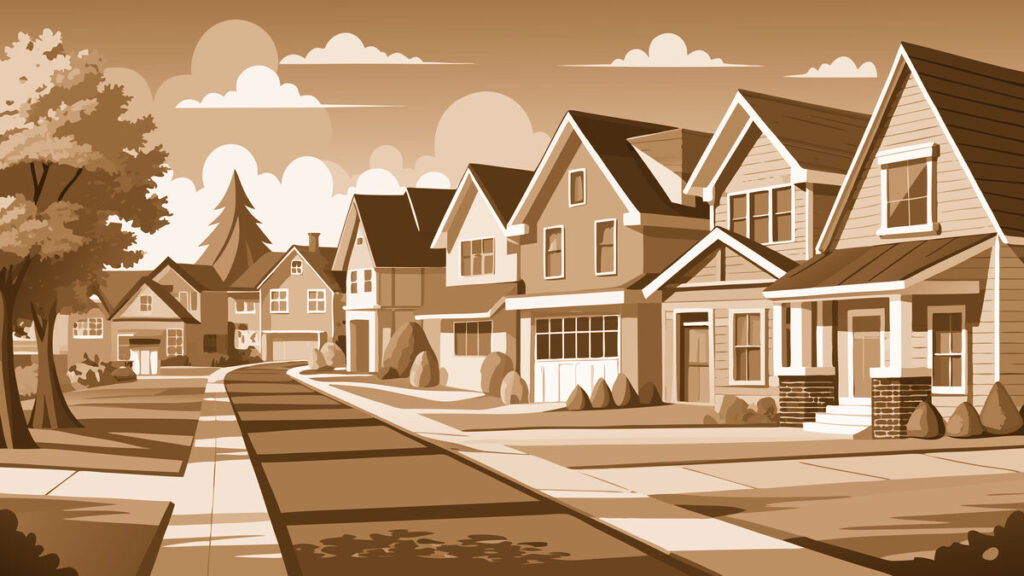
A Neighborhood Rooted in Nature and History
Nestled just north of downtown Hendersonville, the Cold Spring Park neighborhood stands as a living testament to the city’s enduring spirit, community pride, and vibrant history. Known for its leafy streets, welcoming neighbors, and that distinct blend of old-fashioned warmth and modern convenience, Cold Spring Park has long been cherished by generations of residents.
But to truly appreciate what makes this neighborhood so special, you have to look back—way back—to its very beginnings, and trace how Cold Spring Park evolved into one of Hendersonville’s most beloved enclaves.
The Origin Story: A Neighborhood Springs to Life
The story of Cold Spring Park begins in the early 20th century, amid a period of growth and prosperity for Hendersonville. As families sought to move out of the growing downtown to quieter, greener pastures, new neighborhoods sprouted up just beyond Main Street. Cold Spring Park was one of the first.
The neighborhood’s enchanting name harks back to a natural spring that once bubbled at the corner of what is now Buncombe Street and Cold Spring Drive. Early residents would gather at this clear, cool source, filling buckets or simply enjoying its refreshing waters. The spring, shaded by old chestnut and maple trees, became a natural gathering point—a place to share news, laughter, and the slow, easy moments of life.
And so, when it came time to chart out a new residential development, the decision was easy: this would be Cold Spring Park, a name that evoked both the land’s character and the easy pace of life it would foster.
Early Days and Key Milestones
- In the 1920s and ‘30s, small Craftsman bungalows and simple Colonial Revival homes began sprouting up on West Allen Street, Rosewood Lane, and Park Avenue. These charming, well-built houses would become part of the area’s enduring identity—inviting porches, wood-shingled roofs, and picket-fenced yards that even today set the standard for neighborhood friendliness.
- By the 1940s, as Hendersonville boomed, Cold Spring Park became prized for its proximity to both the city’s bustling downtown and the natural beauty of nearby Laurel Park.
- After World War II, returning veterans flocked to the area, drawn by the promise of quiet streets and neighborly bonds. It was during this period that the neighborhood truly flourished, as families planted victory gardens, organized block parties, and built a sense of community that persists to this day.
- In 1957, the old spring was commemorated with a small stone marker at the intersection of Cold Spring Drive and Rosewood Lane—a nod to the neighborhood’s heritage and a favorite spot for history-loving locals.
Landmarks and Local Institutions
Cold Spring Park may not boast grand monuments, but its understated landmarks and institutions are woven into the daily fabric of neighborhood life.
- Cold Spring Park & Recreation Area: Located along Park Avenue, this pocket park offers a playground, benches, and a gentle walking path that traces the path of the original spring. On sunny afternoons, you’ll find families picnicking here, retirees tending flower beds, and children racing across the grass.
- The Historic Buncombe Street Houses: Several homes along Buncombe Street, dating back to the 1930s, have been painstakingly preserved and feature classic stonework, original porches, and carefully tended gardens. Walkers often pause to admire these links to the area’s past.
- Community Clubhouse: Once the site of Sunday socials and PTA meetings, the clubhouse at the corner of Rosewood Lane and West Allen Street remains a hub for local gatherings—from book clubs to potluck dinners.
And while not technically inside Cold Spring Park’s traditional boundaries, the nearby Hendersonville Elementary School and St. James Episcopal Church have long served as pillars of the community, forging strong ties among generations of local families.
Evolution Through the Decades
If there’s one thing to know about Cold Spring Park, it’s this—the neighborhood changes with the times but always as a community.
- 1970s-80s: As new families moved in and original residents aged, the area embraced rejuvenation. Older homes were lovingly restored, sidewalks were added to promote walkability, and the park received several upgrades—playground equipment, a gazebo for neighborhood concerts, even a small community garden.
- 1990s-2000s: With Hendersonville growing in popularity, Cold Spring Park became a quiet refuge amid downtown bustle. Newcomers discovered its charms, and a new wave of young professionals and retirees alike found common ground in porch conversations and neighborhood events.
- Today: Cold Spring Park stands as a microcosm of Hendersonville’s best traits—welcoming, leafy, and lively. Annual events like the Cold Spring Park Spring Fling and the Halloween Stroll are local traditions, and the Cold Spring Park Neighborhood Association helps coordinate beautification projects, preserve historic homes, and ensure everyone feels at home.
What Makes Cold Spring Park Special Today
Ask any resident, and they’ll tell you—Cold Spring Park isn’t just a neighborhood, it’s a way of life. It’s walkers nodding to neighbors on early-morning strolls down Buncombe Street, the echo of laughter from the playground on Park Avenue, and the sight of spring daffodils blooming at the old stone marker where that legendary spring once flowed.
Its heritage is alive in every lovingly preserved windowpane, every community garden bed, every story told on a front porch. New chapters are written every day, as neighbors band together to keep Cold Spring Park beautiful, welcoming, and true to its roots.
For anyone seeking a taste of small-town charm combined with the benefits of city living, Cold Spring Park remains a place like no other—a true Hendersonville gem.